

Count Your Carbon is the nation’s first free, full-scope carbon emissions calculator, built for nurseries, schools and colleges. It supports educational settings to calculate, understand, reduce and track your carbon emissions.
Count your Carbon gives you a benchmark to build on. It helps you to understand the key areas of your operations that produce carbon emissions, before providing a report packed with carbon-reducing recommendations. These actions can be dropped directly into your Climate Action Plan. They will make your a site greener, cleaner place to learn and likely reduce your costs too.
Schools from around the world are already taking climate action. We have created this page so that you can learn and take inspiration from one another.
Follow this link to find out more about Sustainable Futures from WWF:
Watch Ugandan climate activist Vanessa Nakate’s speech to world leaders at COP26, aged 25.
Watch Swedish climate activist Greta Thunberg speaking to the United Nations, aged 16.
Climate Friendly Schools Case Studies
ECO2 Smart Schools COP
Last year over 4,000 pupils from 130 schools in 13 countries took part in the ECO2 COP26 Schools Climate Conference.
Durham County Council, OASES, Durham University and Durham Energy Institute worked together to produce an ECO2 COP Education Pack. The pack was sent to all involved schools in the Summer Term 2021. Durham University students translated the pack, to enable global accessibility. The Education Pack included various lesson plans, resources, web links, PowerPoints and expert films to encourage partner schools to think about the COP26 themes.
The ECO2 COP engaged primary and secondary pupils from Durham schools and their international partners, to educate and inform them about:
- Climate change.
- The issues being debated at COP26.
- Global perspectives, experiences and actions on climate change.
The ECO2 COP also sought to encourage:
- Young people to share their experiences / concerns about climate change.
- Schools / young people to share the actions that they are taking to combat climate change.
- Schools / young people to think of actions that they (and their school) can take to combat climate change and become carbon zero.
- Schools / young people to engage with the COP26 debates.
The children and young people involved were encouraged to take images of climate hope and climate concern. These images were entered into a competition and the UK winners won a trip to COP26 (using public transport!).
For more information visit ECO2 Smart Schools.
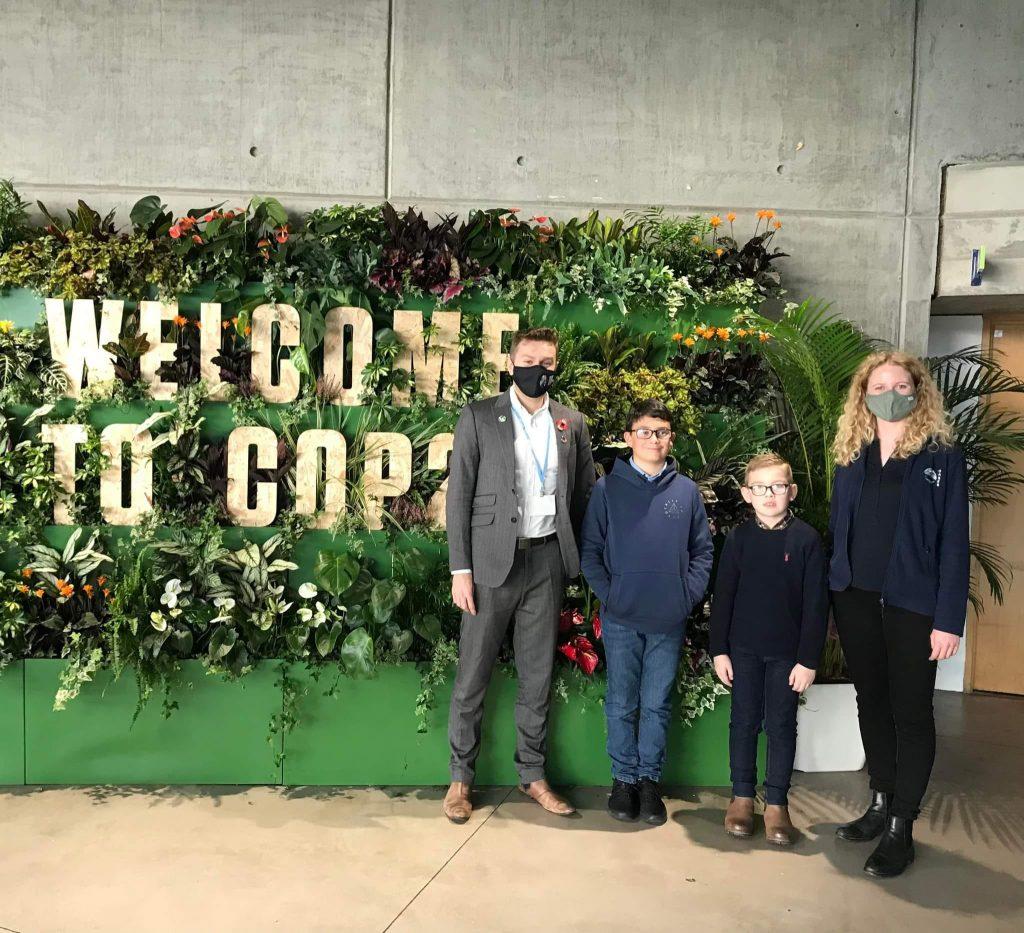
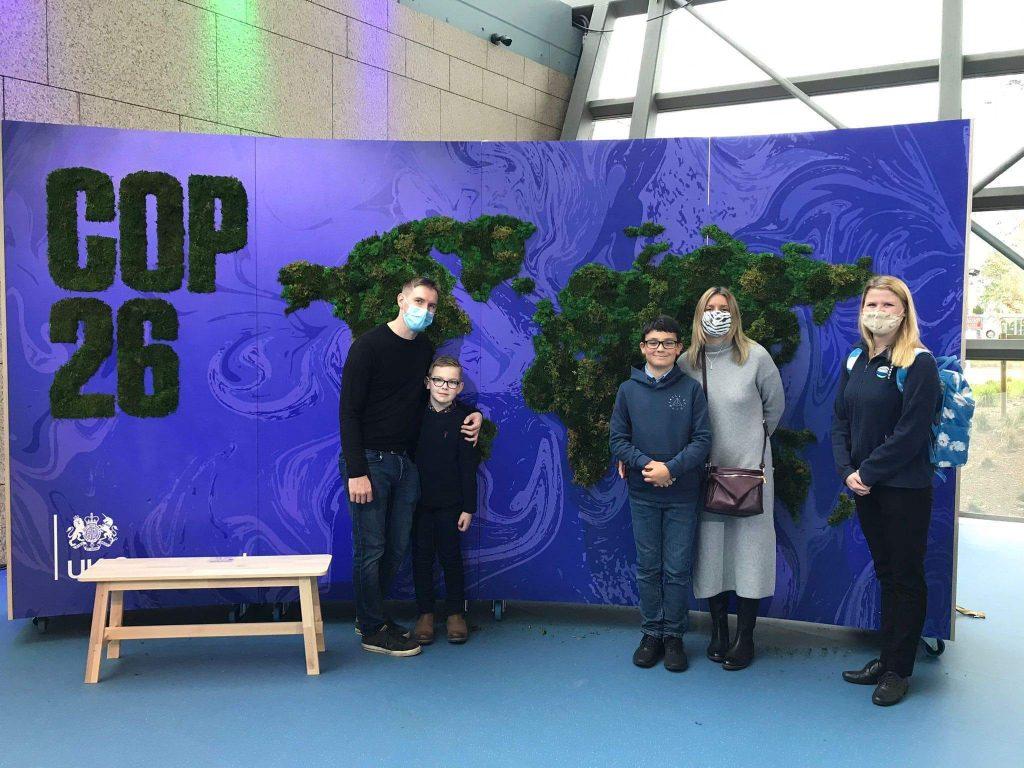
Lanchester EP Primary
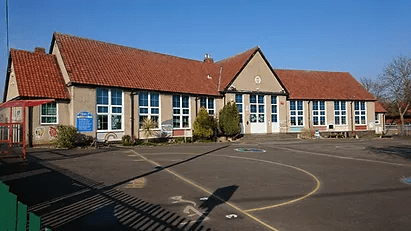
This year Lanchester EP Primary will be undergoing renovations to make their building net-zero. The Climate Friendly Action Plan that they have produce will work alongside these renovations, helping to change the culture of the school to be more climate conscious and looking towards building a brighter future for those within the school and the wider community.
Lanchester EP’s audit highlighted that the school doesn’t use their outdoor space as much as they could and, while they do have trees and plants in their school grounds, this could be improved. They are consequently going to create a wildflower meadow, get involved in community tree planting and take more lessons outside. The audit also highlighted how much water the school wasted, hence they are going to install water butts and reduce water wastage by only filling water bottles halfway. Any water left over at the end of the day will be put into jugs and placed in a fridge to be used the next day.
The school is also going to: compost all of their school’s food waste along with other materials that can be composted (so that they are not adding to landfill which releases greenhouse gases); appoint a Light Monitor for each classroom, responsible for turning the lights off when room is unoccupied, or when it is sunny enough to turn the lights off; switch to rechargeable batteries, re-use materials wherever possible e.g. old crates, bricks and plant pots to create bug hotel in school grounds; Give tips to parents on how to combat climate change in newsletters/ social media.
.

St Cuthbert’s Catholic Primary, Seaham
St Cuthbert’s Catholic Primary School in Seaham have been fighting climate change for a number of years:
In 2018, they organised a switch off day, Staff and pupils worked together to switch off lights and electrical items across the school for a whole school day, including all computers, projectors and printers! Staff and pupils learned more about where their electricity comes from and imagined what life would be like without it.
- KS1 transformed in the energy saving superheroes, and pressed their own apples into apple juice using an apple press.
- KS2 explored the different renewable energy options available to them and cooked their food on an open fire.
In 2020, the school took part in the ‘Children for Climate Collaboration?’ project, where they were tasked with creating their own green screen films about Climate Change and they planted trees in their school grounds.
In 2021, the school took part in the global ‘ECO2 Smart Schools Climate Conference’, linking with 130 schools in 13 countries around the world to combat climate change. They learned the latest science from Durham University Professors and had a chance to pledge what they would do to help the climate recover.
In 2022, they took part in ECO2 Smart Homes, learning about climate change and what we can do to combat it. They learned about saving energy and how they could make their homes more sustainable.
Quote:
“Two of the children in my class are very anxious about climate change. The effects of climate change discussed in sessions upset them. However, the children were significantly encouraged by the suggestions made by OASES in the sessions that they could do themselves to reduce emissions and energy use. I was pleased that the subject was addressed sensitively and attention was given to the children highlighted to have specific anxieties about climate change.”
Teacher from St Cuthbert’s Seaham.


Nettlesworth Primary
Nettlesworth Primary School began by forming their Climate Friendly Action Team. The Action Team consists of teachers, teaching assistants, parents, members of the community, governors, the school caretaker and 10 pupils. Each member bring experience and knowledge of the school, its history and its community. Their excellent community links have enabled them to source free resources to help them towards their actions and to spread awareness of their Climate Friendly Activities. The school has agreed, and started to enact, the following 10 actions:
- Planting more trees on site.
- An LED retrofit for the high traffic corridor.
- The establishment of a pupil Eco-team who will have a dedicated section of the school newsletter to share their work.
- Put recycling bins in every classroom.
- An energy saving poster competition – used to create a display in their school about energy saving and their work towards achieving their 10 actions to become a Climate Friendly School.
- The creation of a child recycling team who will work with the caretaker, to learn where the recycling goes.
- A recycling themed poster competition. The winning poster will go onto all recycling bins in the school.
- A Green Careers themed week. The children will research in Geography lessons different green careers and present them to the class. Parents who have a ‘green career’ will come into school to share what they do.
- A coffee morning at the school to share and celebrate their Climate Friendly progress.
- Adding a plant to each classroom to encourage the children to care for living things and learn about the importance of plants to carbon sequestration.
The school chose these actions as they believe them to be a good balance of tasks that will have an impact on their carbon emissions and those that will engage and involve the children.
The school is also aspiring to change their heating control panel, using funding from the department of education, in order to have more control over heating in the school.
We are the first generation to feel the sting of climate change, and we are the last generation that can do something about it.– Jay Inslee